
Explainers, July 26, 2026, 6 min read
Bare-Knuckle vs Traditional Boxing: The Rules, Side by Side
See how bare-knuckle boxing compares with traditional boxing, including rounds, hand protection, clinching, cuts, scoring, and defensive techniques.
By Big Dawg Staff
Key Takeaways
- Bare-knuckle rounds run two minutes instead of three, which eliminates the slow feeling-out period common in gloved boxing
- The knuckle stays exposed by rule while the wrist and thumb are wrapped, protecting joints without softening the strike
- Clinching is broken almost immediately, removing the recovery tactic tired gloved boxers rely on
- Cuts appear earlier and more often, but stoppage decisions focus on vision and severity, not the mere presence of blood
- Scoring rewards clean, damaging punches over high-volume, low-impact output
- Effective defense relies on angles and footwork rather than a high guard, since gloves aren't there to absorb a blocked shot
Most people who show up to their first bare-knuckle card think they're watching boxing with the padding removed. They're not. Take the gloves away and almost every part of the sport reorganizes itself around that one change, the rounds, the scoring, even how a fighter is allowed to defend himself, none of it survives the transition untouched.
Did you know? A ten-ounce boxing glove doesn't just cushion the fighter getting hit. It cushions the fist throwing the punch just as much, which is exactly why bare-knuckle fighters have to be far more selective about which punches they actually commit to.
Rounds Are Shorter, And There Are Fewer Of Them
Gloved boxing runs three-minute rounds, ten or twelve of them for a main event. Our bouts run two-minute rounds, five for most fights and seven for a title. Two minutes sounds like a small trim on paper. In practice, it removes the feeling-out period completely. A fighter who spends the first thirty seconds circling and measuring has already burned a quarter of the round doing nothing.
The Hand Is Wrapped, The Knuckle Is Not
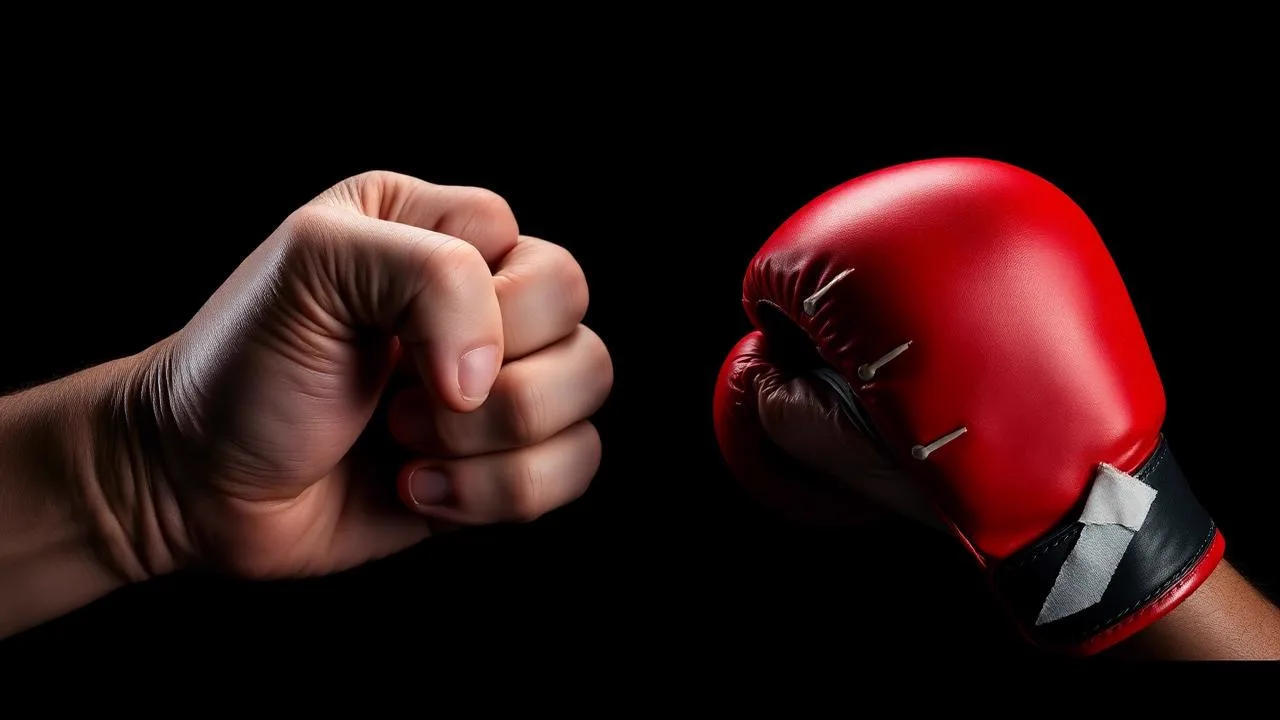
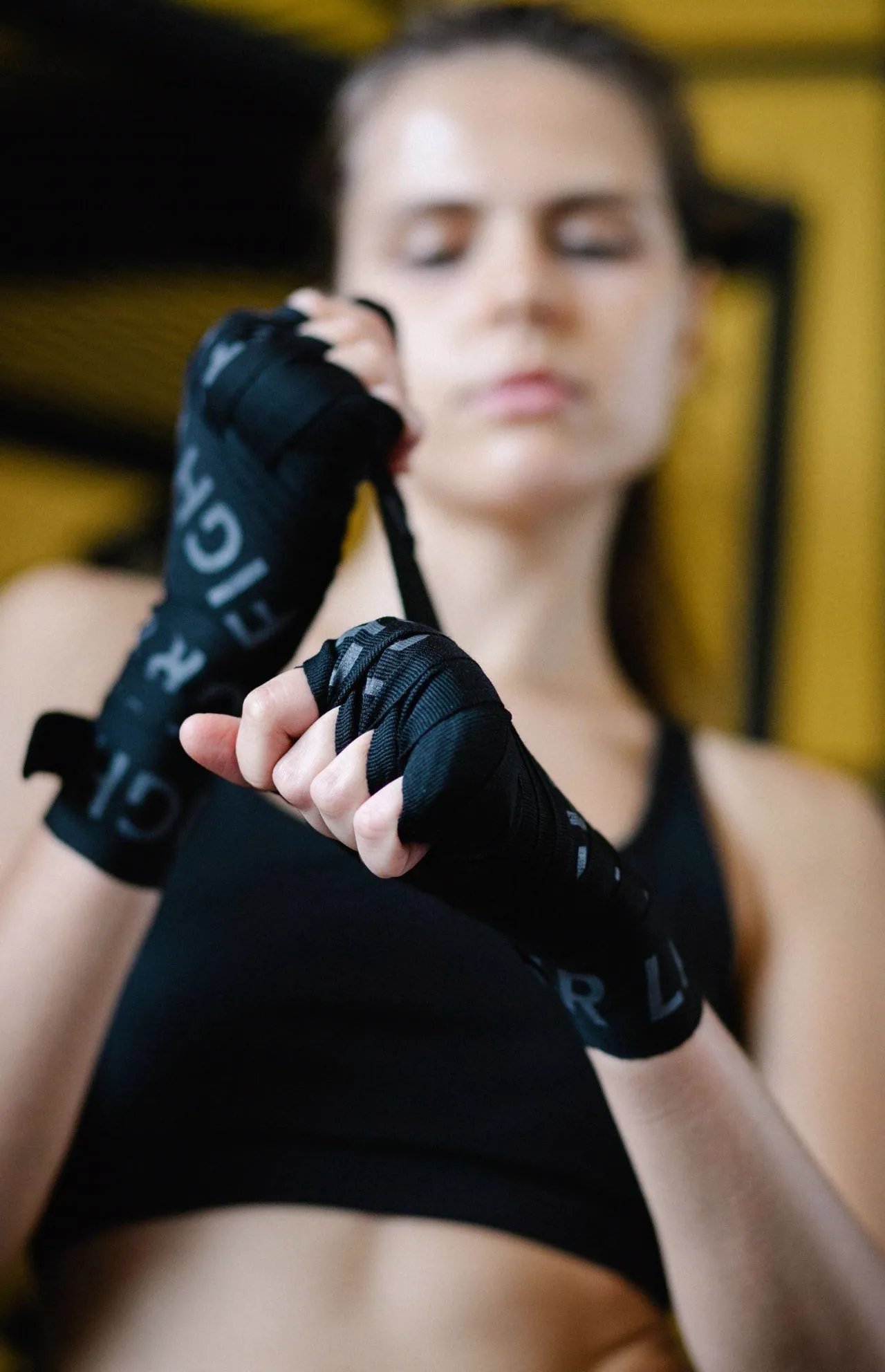
This is the rule fans get wrong most often, and it's usually the first thing that surprises someone watching live for the first time. Fighters aren't walking in with completely naked hands. The wrist and thumb get gauze and tape for joint support, standard stuff. But the wrap has to stop about an inch below the knuckle, which leaves the actual striking surface exposed.
It's a deliberate trade. The rule protects the part of the hand that breaks and leaves open the part that cuts. That single inch of bare knuckle changes the entire risk calculation for both fighters in the ring.
Clinching Gets Broken Fast
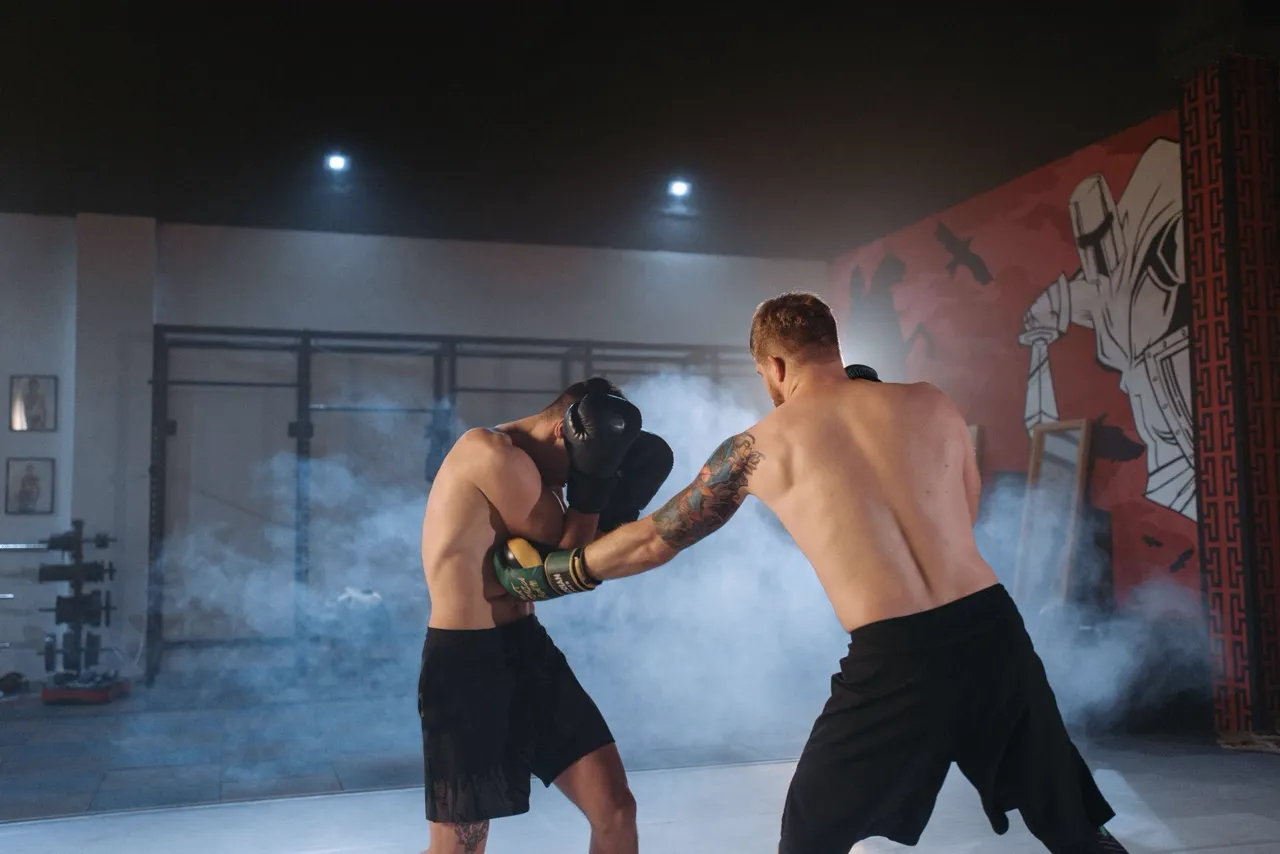
In gloved boxing, a tired fighter can lean into an opponent, hold, and buy himself a free twenty seconds to recover. That escape hatch doesn't exist here. Referees break a clinch almost immediately, and repeated holding earns a warning, then a point deduction. There's nowhere to hide once you're tired, which changes the entire pacing of a fight compared to what gloved boxing fans are used to watching.
Cuts Arrive Early, Stoppages Work Differently
Knuckles split skin faster than padded gloves do, so seeing a cut open up in round one is normal here, not alarming the way it might look in a gloved bout. What actually matters is where the cut sits and whether it's affecting the fighter's vision. The ringside physician can stop the bout at any point, and our referees are instructed to wave it off early rather than let something drag on past the point it should have ended.
Scoring Rewards Damage Over Volume
Judges still use the same ten-point must system boxing fans already know. What changes is the emphasis underneath that scoring. A fighter who throws sixty soft, glancing punches and eats six genuinely hard ones is losing that round, full stop, which is close to the opposite of how a busy, high-volume gloved boxer can rack up a scorecard by staying active.
Same scoring math on paper. Completely different math on the inside.
Bare-knuckle vs gloved, at a glance
| Bare-Knuckle | Gloved Boxing | |
|---|---|---|
| Round length | 2 minutes | 3 minutes |
| Rounds per fight | 5 (7 for title bouts) | 10 to 12 |
| Hand protection | Wrist and thumb wrapped, knuckle exposed | Full padded glove |
| Clinching | Broken almost immediately | Tolerated for several seconds |
| Cuts | Common early, part of the sport | Less frequent, often treated as alarming |
| Scoring emphasis | Damage over volume | Volume can outscore power |
Why The First 30 Seconds Matter
The opening moments of a bare-knuckle round can tell you more than you might expect. With only two minutes on the clock, fighters have less time to spend slowly figuring each other out. Instead of waiting for a long feeling-out process, watch how quickly they establish distance, test reactions, and decide whether they want to exchange or reset.
- Watch the first exchange: Early punches often reveal how comfortable each fighter is with the distance.
- Look at the feet after a punch: A quick reset can matter just as much as the punch itself.
- Notice who controls the range: The fighter dictating where exchanges happen can prevent the opponent from settling into a rhythm.
- Pay attention to hesitation: A fighter who repeatedly pulls out of exchanges may be managing the risk differently than a gloved boxer would.
- Compare the second minute to the first: As fatigue sets in, footwork, positioning, and punch selection can change noticeably.
What To Watch For If This Is Your First Card
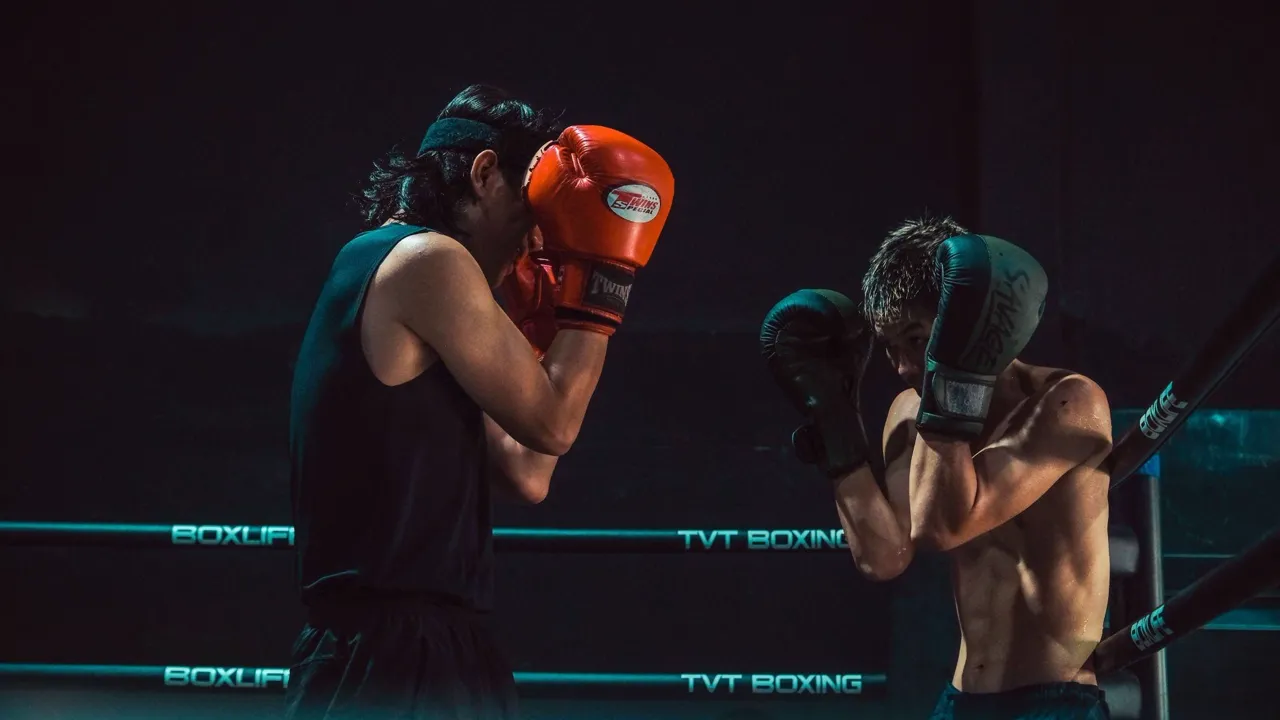
Watch the feet, not the hands. Fighters can't fade behind a high guard the way they can with gloves on, so the defense that actually works here is built on angles and distance, not blocking. A fighter standing flat-footed behind a high guard in a bare-knuckle bout is one clean shot away from a very short night.
Once you see that shift, the sport stops looking like chaos and starts looking like exactly what it is: a very old version of boxing that never really went away, it just waited for people to remember it existed.
Experience The Fight Beyond The Highlights
Bare-knuckle boxing is easier to understand when you see the pace, footwork, clinch breaks, and split-second exchanges happen in front of you. See what makes every round different at the next Big Dawg Bare Knuckle Boxing event. Get Your Tickets and See the Action Live.
Questions, answered