Culture, September 18, 2025, 6 min read
Bare-Knuckle Boxing Never Really Went Away
From London Prize Ring rules to state sanctioning in 2018, the sport spent a century underground and came back regulated.
By Marcus Vela
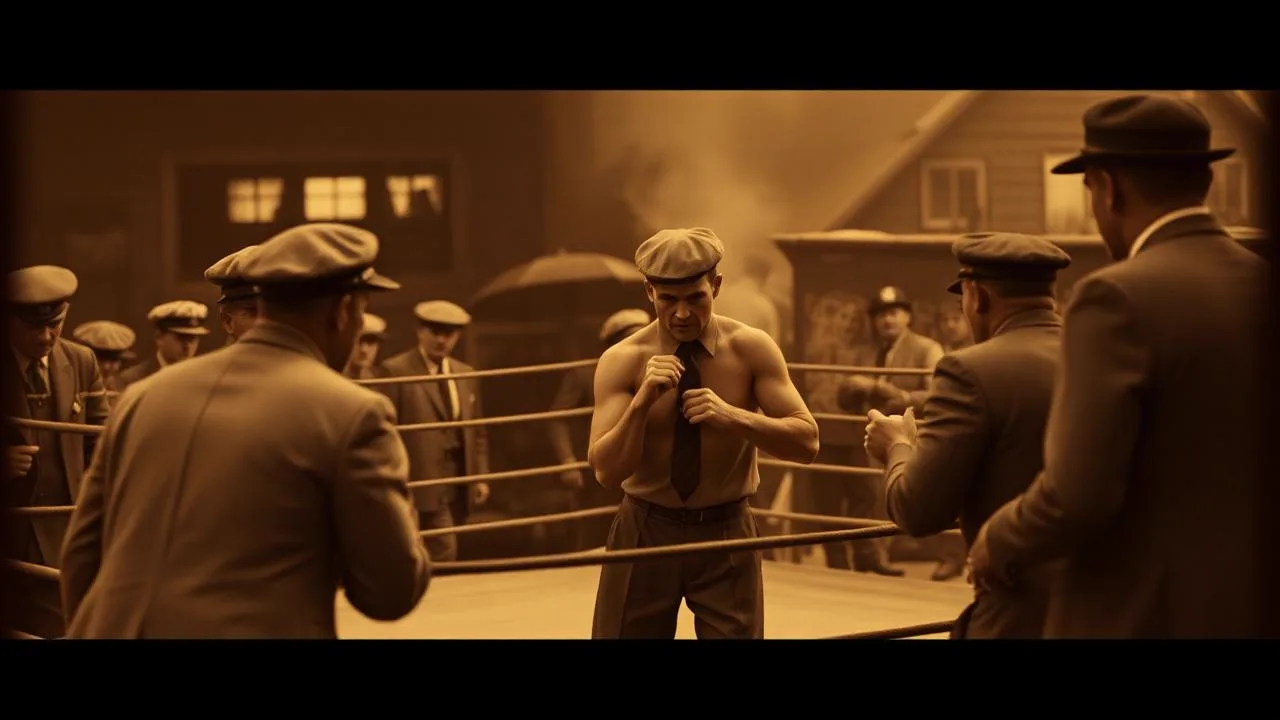
People treat bare-knuckle boxing like a new thing. It is the older thing. Gloves are the innovation.
The London Prize Ring era
For most of the eighteenth and nineteenth centuries, boxing meant bare knuckles under London Prize Ring rules. Rounds ended when a man went down, and a fight could run dozens of rounds. It was popular, it was covered in newspapers, and it was largely illegal.
The Queensberry shift
The Marquess of Queensberry rules arrived in the 1860s and brought gloves, timed rounds and the ten count. Gloves were sold as a safety measure. What they mainly did was allow longer fights and more head trauma, which is a debate that has not stopped since.
A century underground
Bare-knuckle did not disappear when gloves took over. It moved to backrooms, barns and traveling shows. It ran without physicians, without weight classes and without anybody counting. That period is where the sport's reputation comes from, and it earned it.
2018
Wyoming sanctioned the first legal bare-knuckle event in the United States in over a hundred years. Other states followed. Sanctioning brought weight classes, medical screening, licensed referees and public scoring, which changed the sport more than any rule on the books.
Where the Valley fits
California's fight culture in the Central Valley predates all of that. Boxing here has always run through farm towns and neighborhood gyms rather than big city promotions. When we started Big Dawg we were not importing something foreign. We were putting a regulated version of an old local habit into a building with lights.